
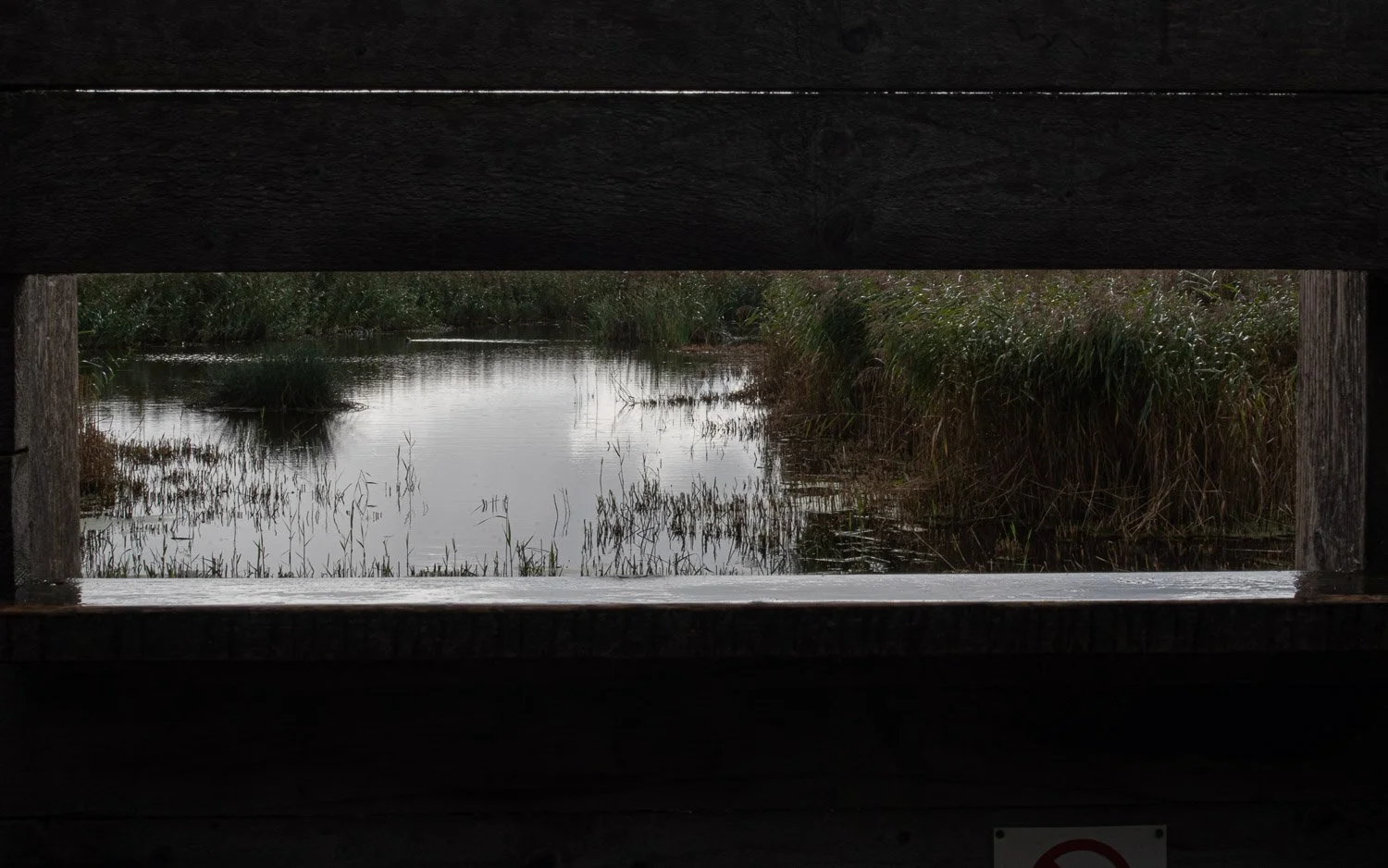
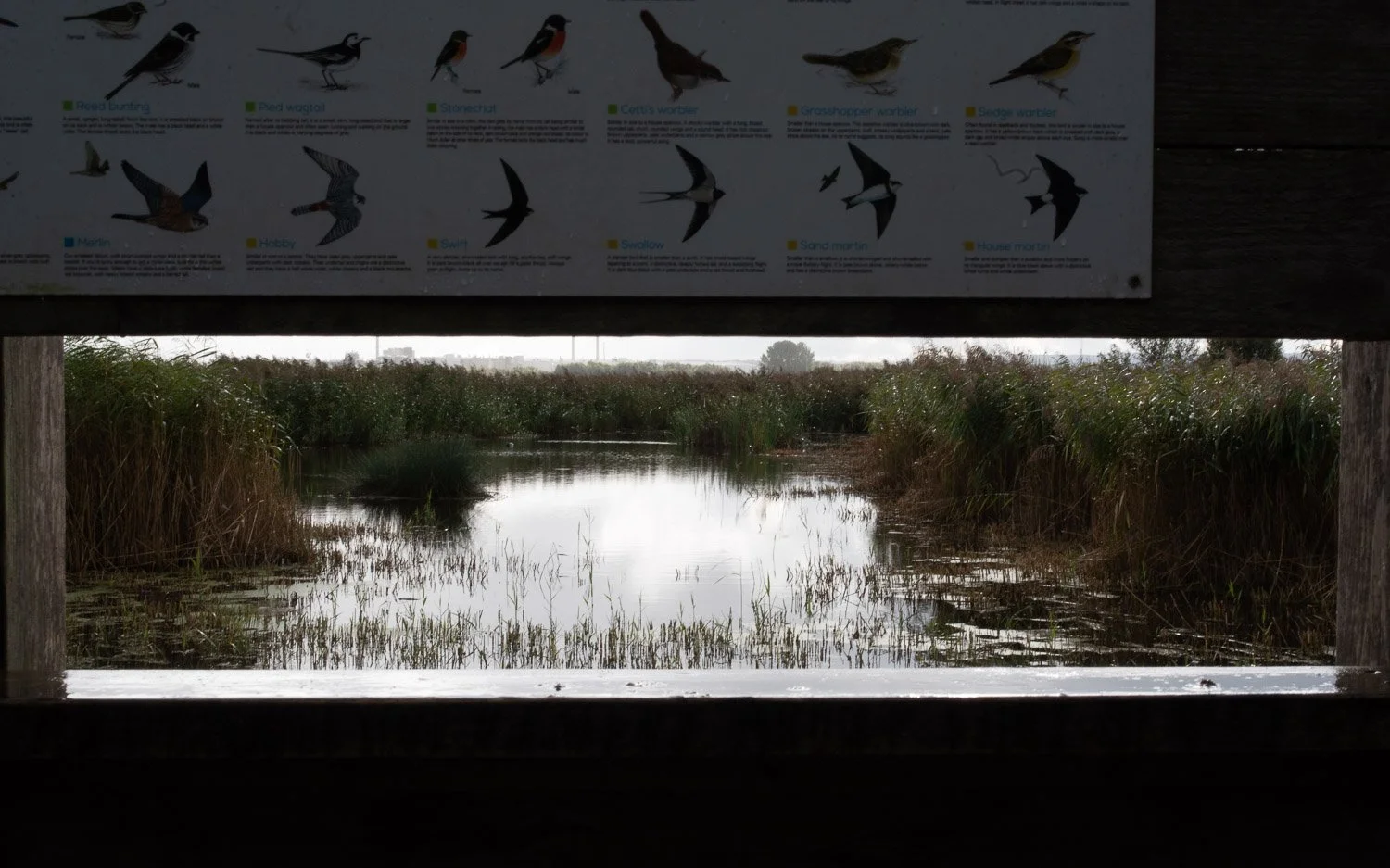
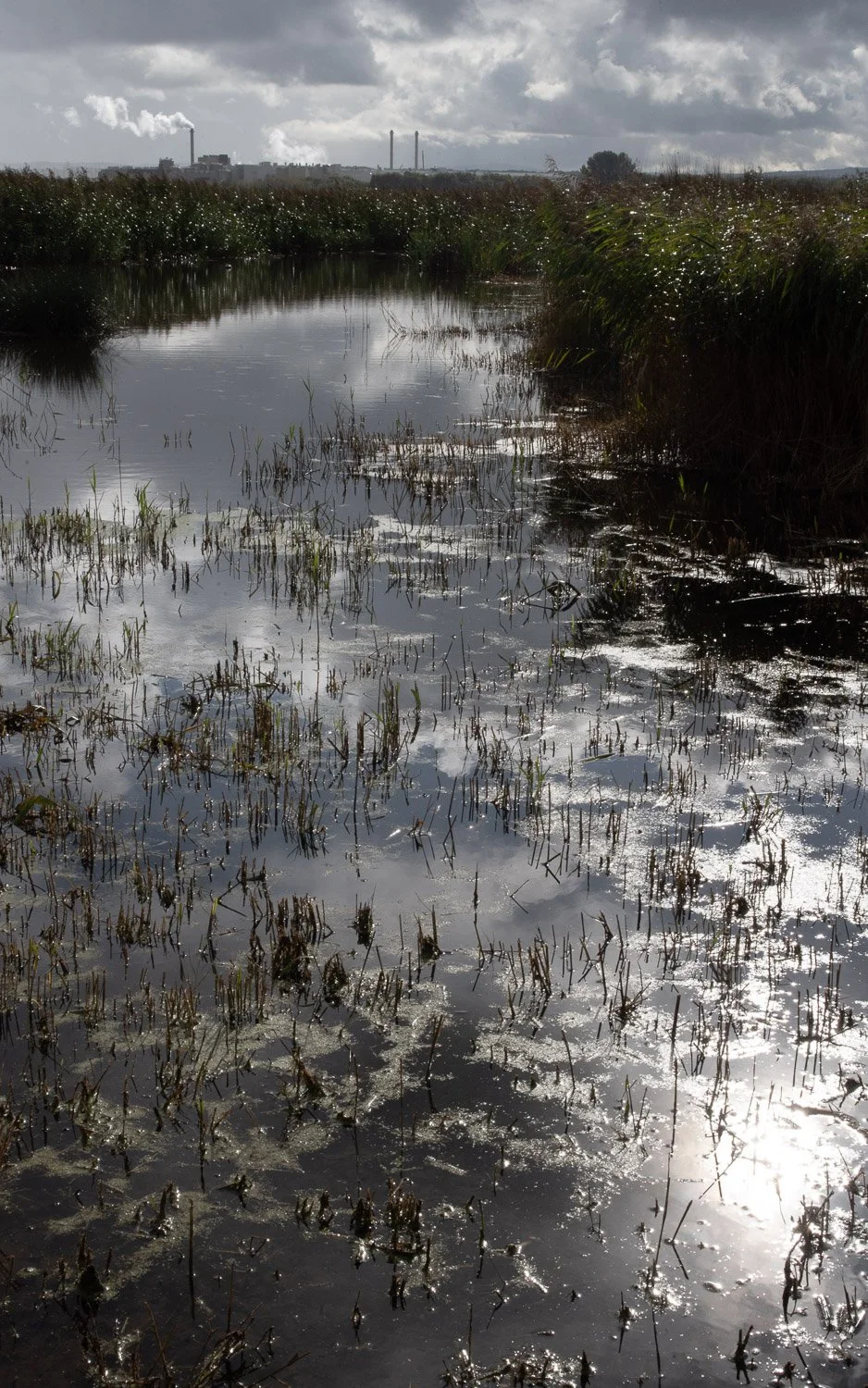
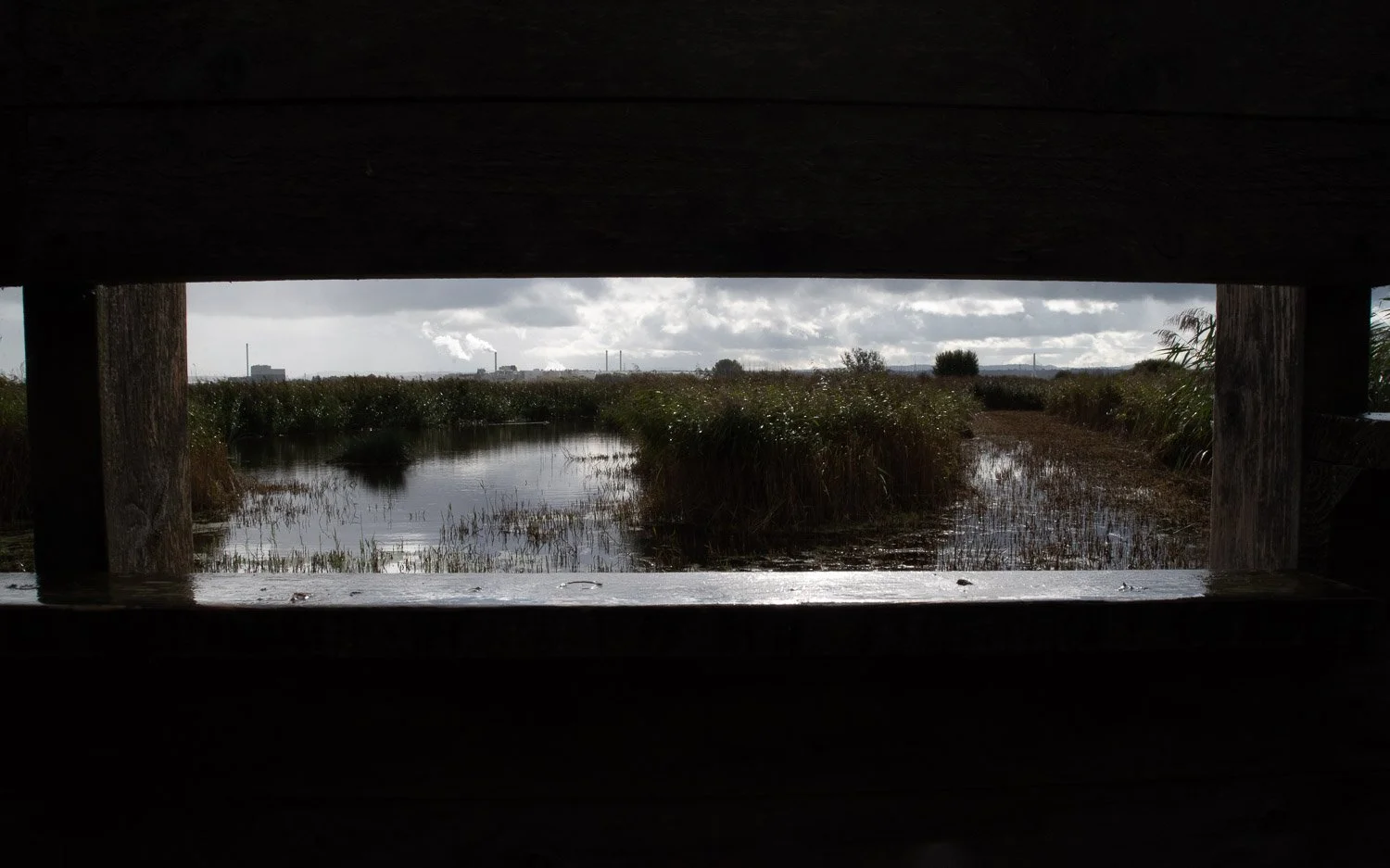
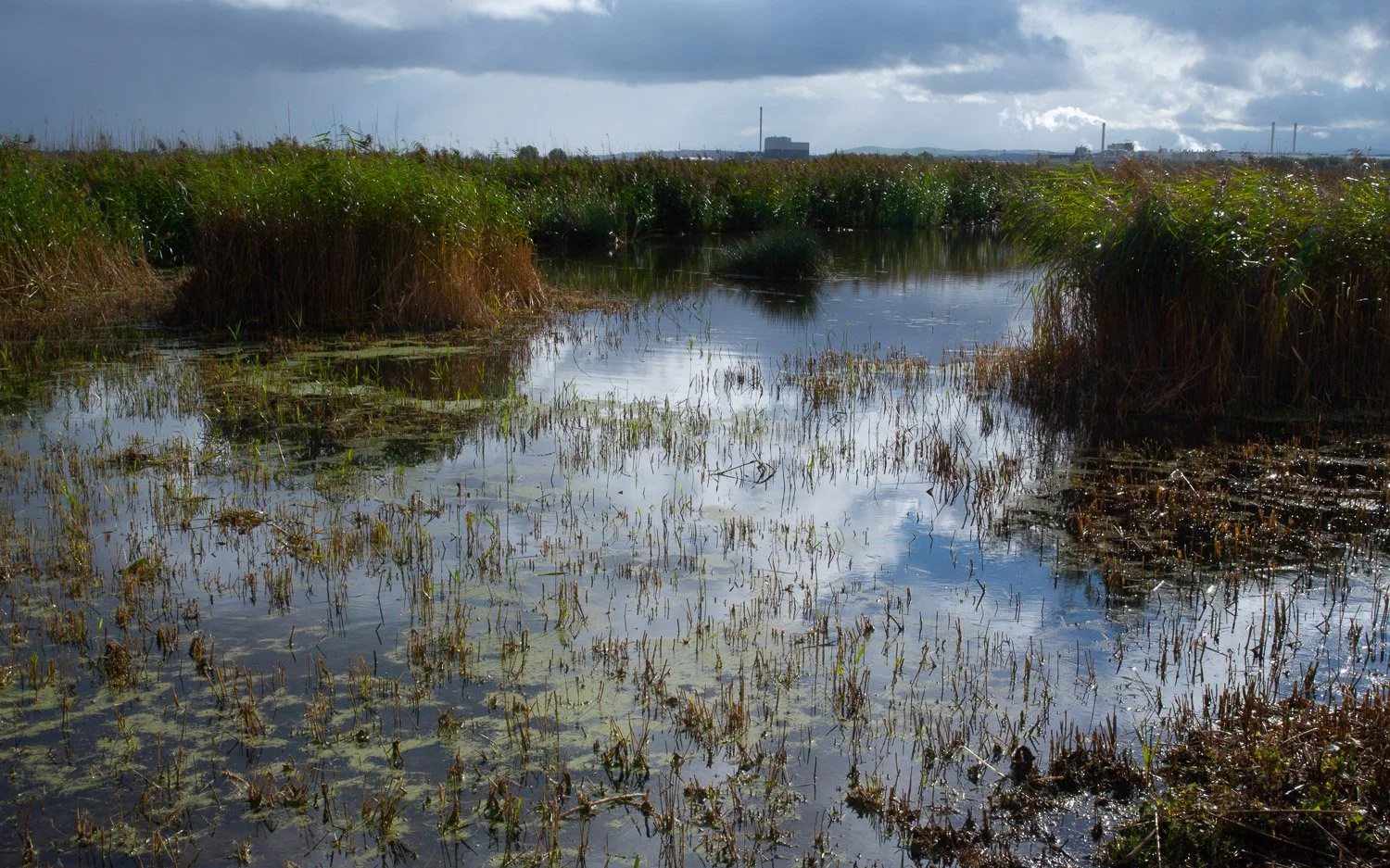
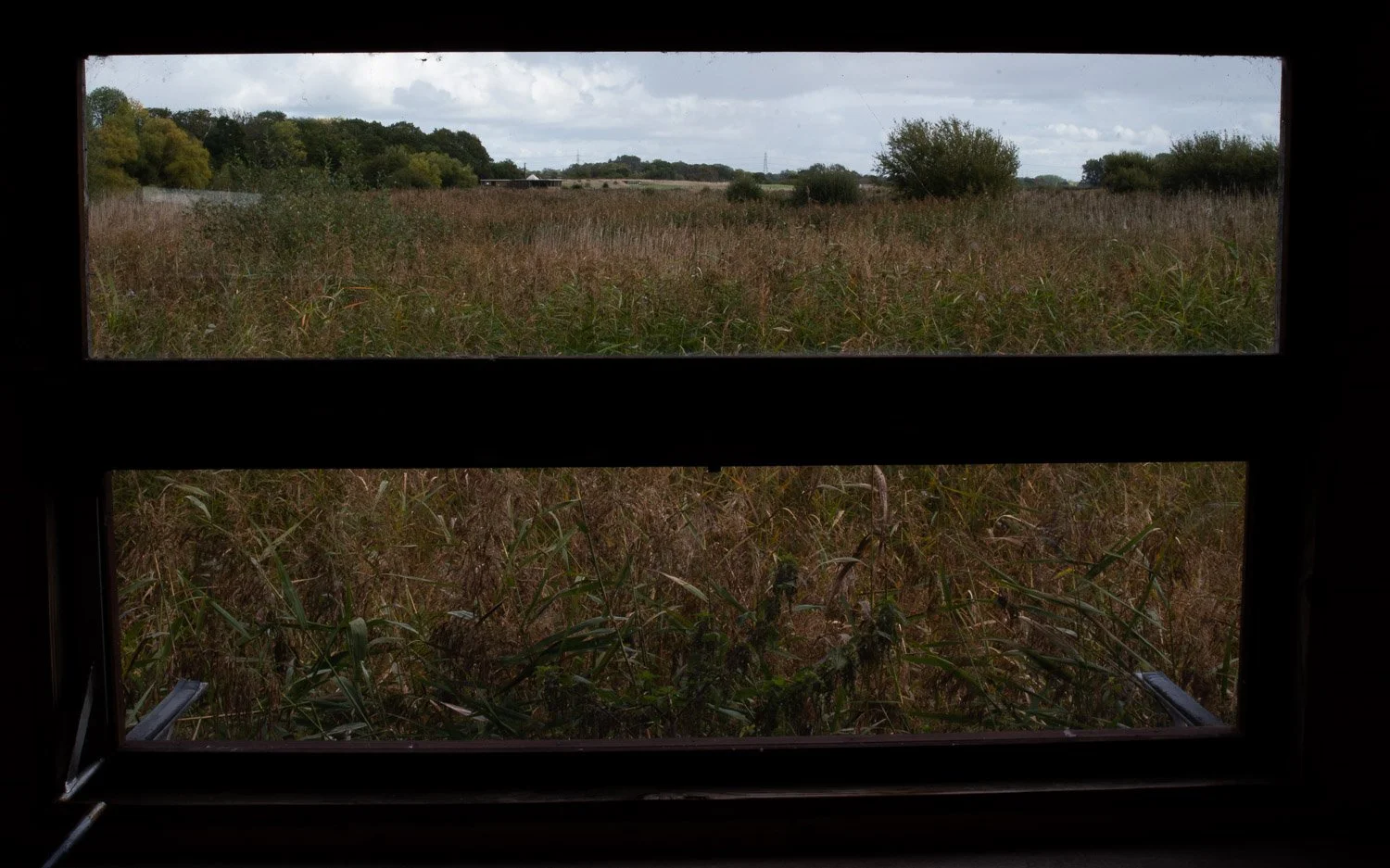
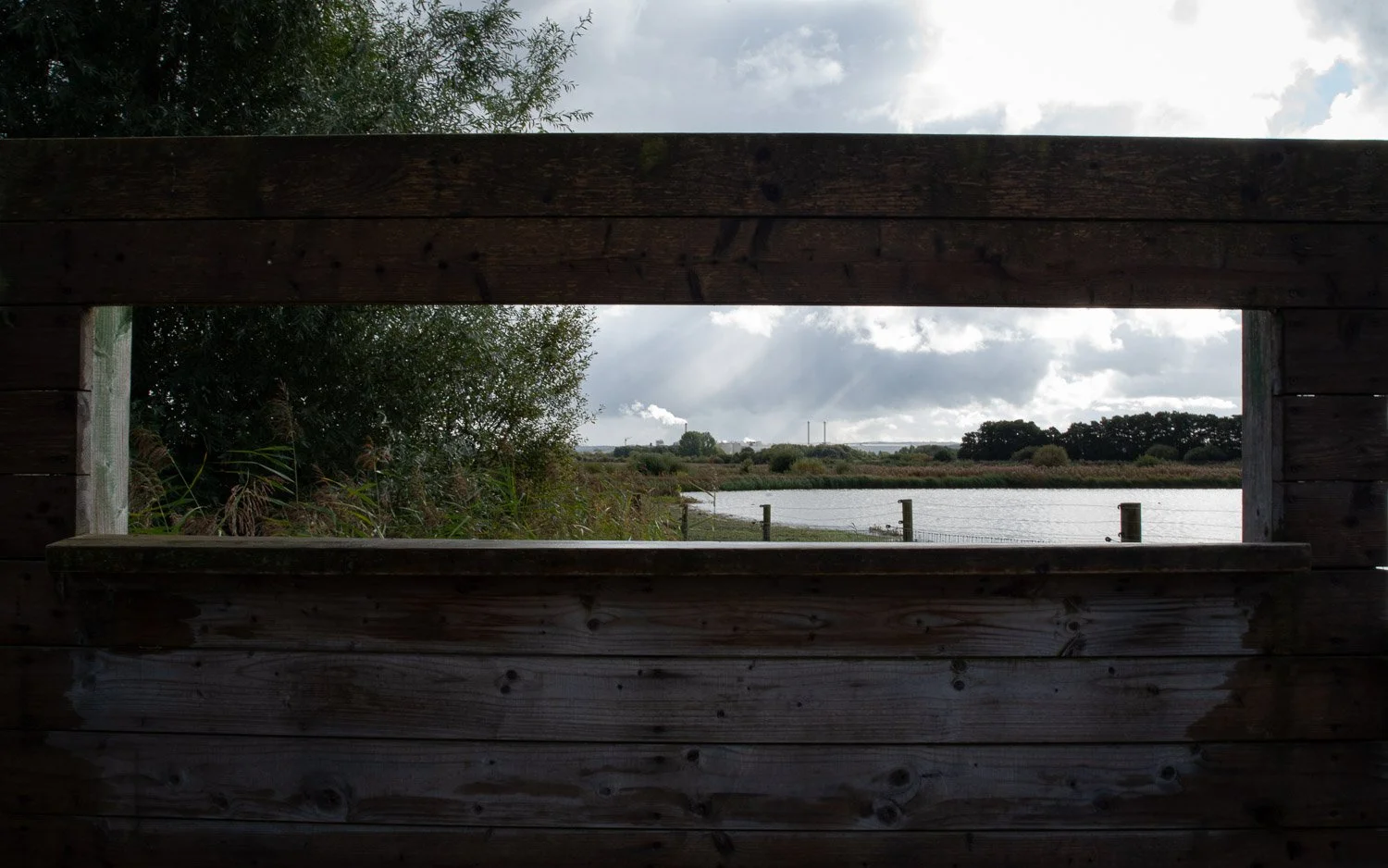
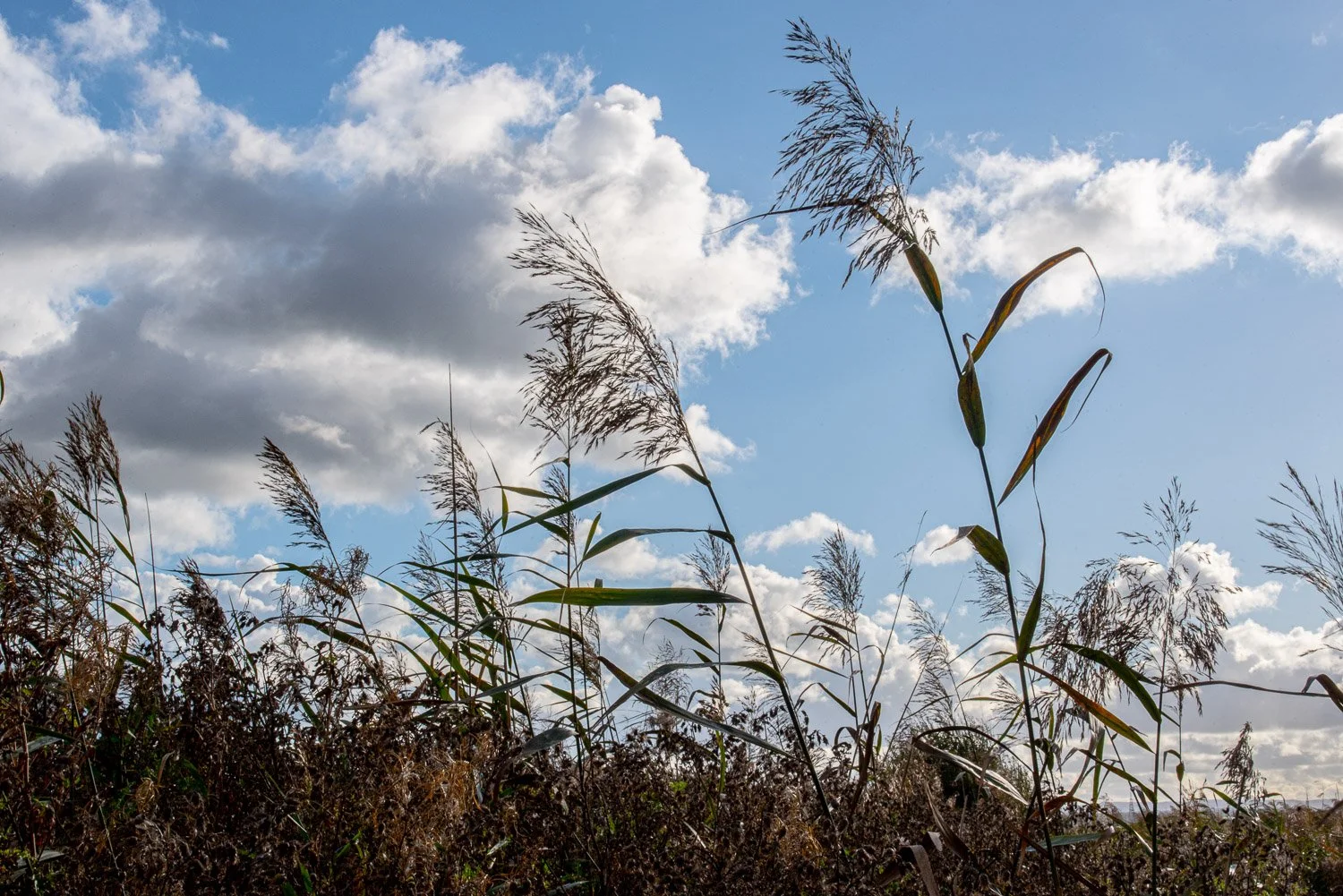
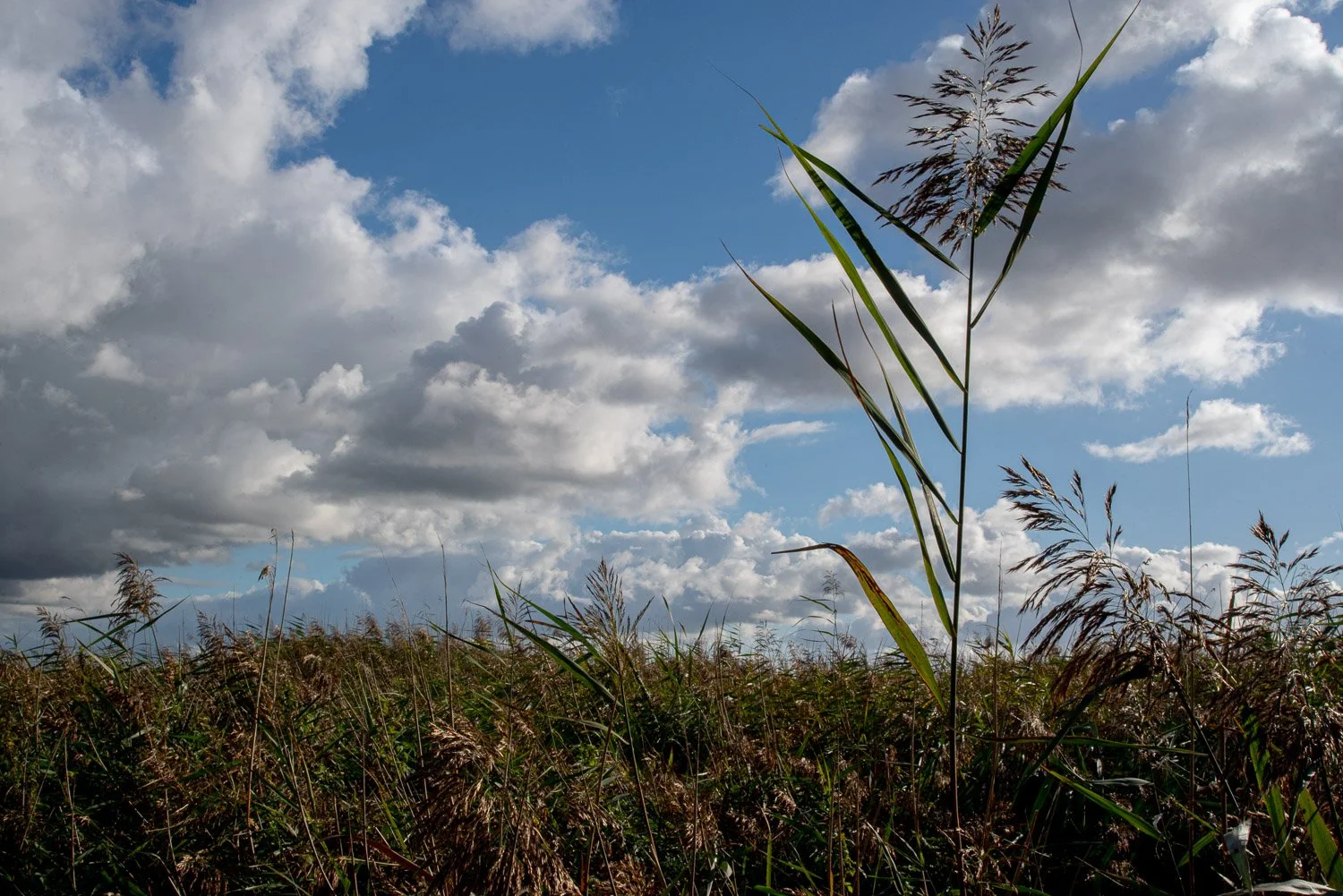
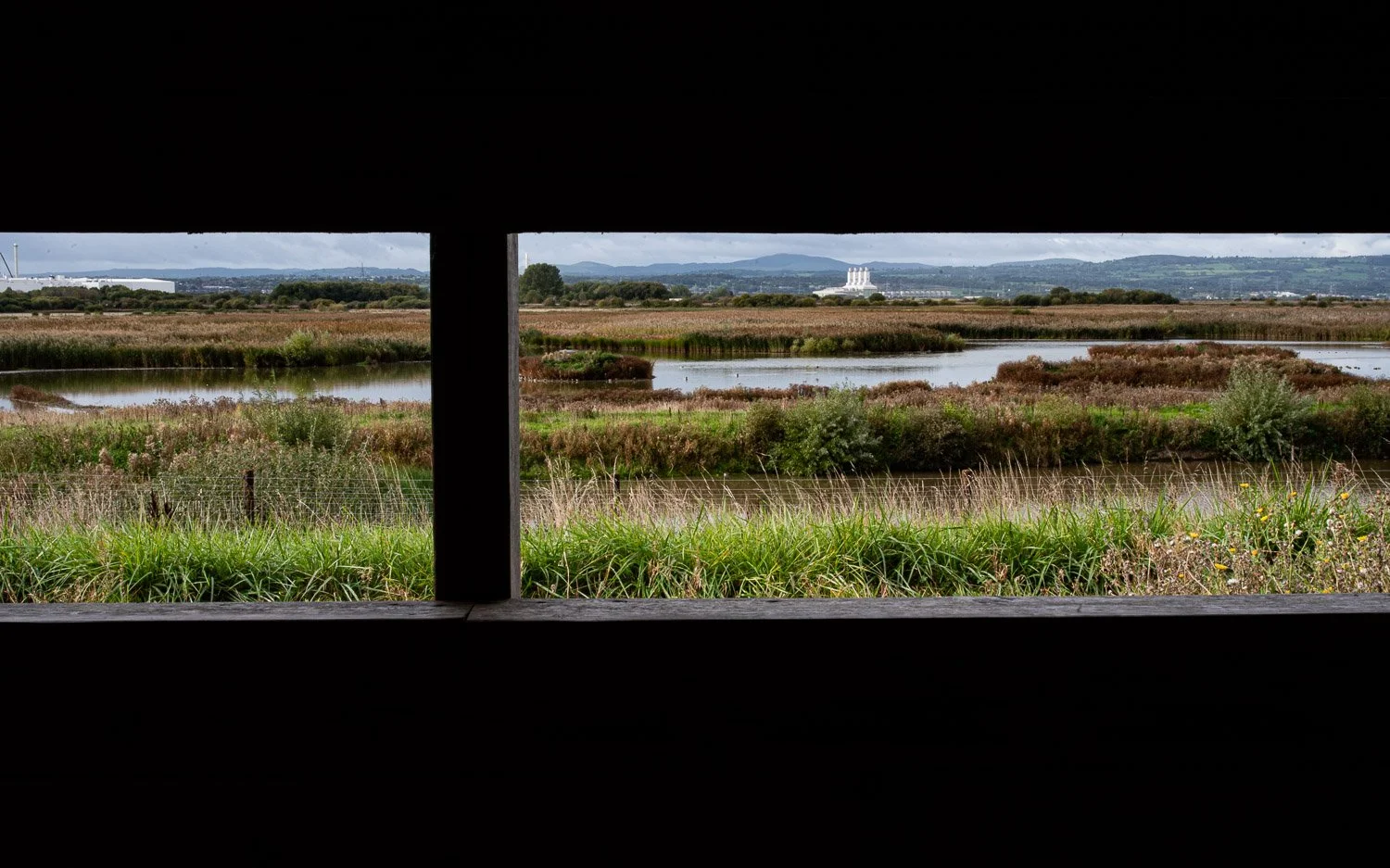
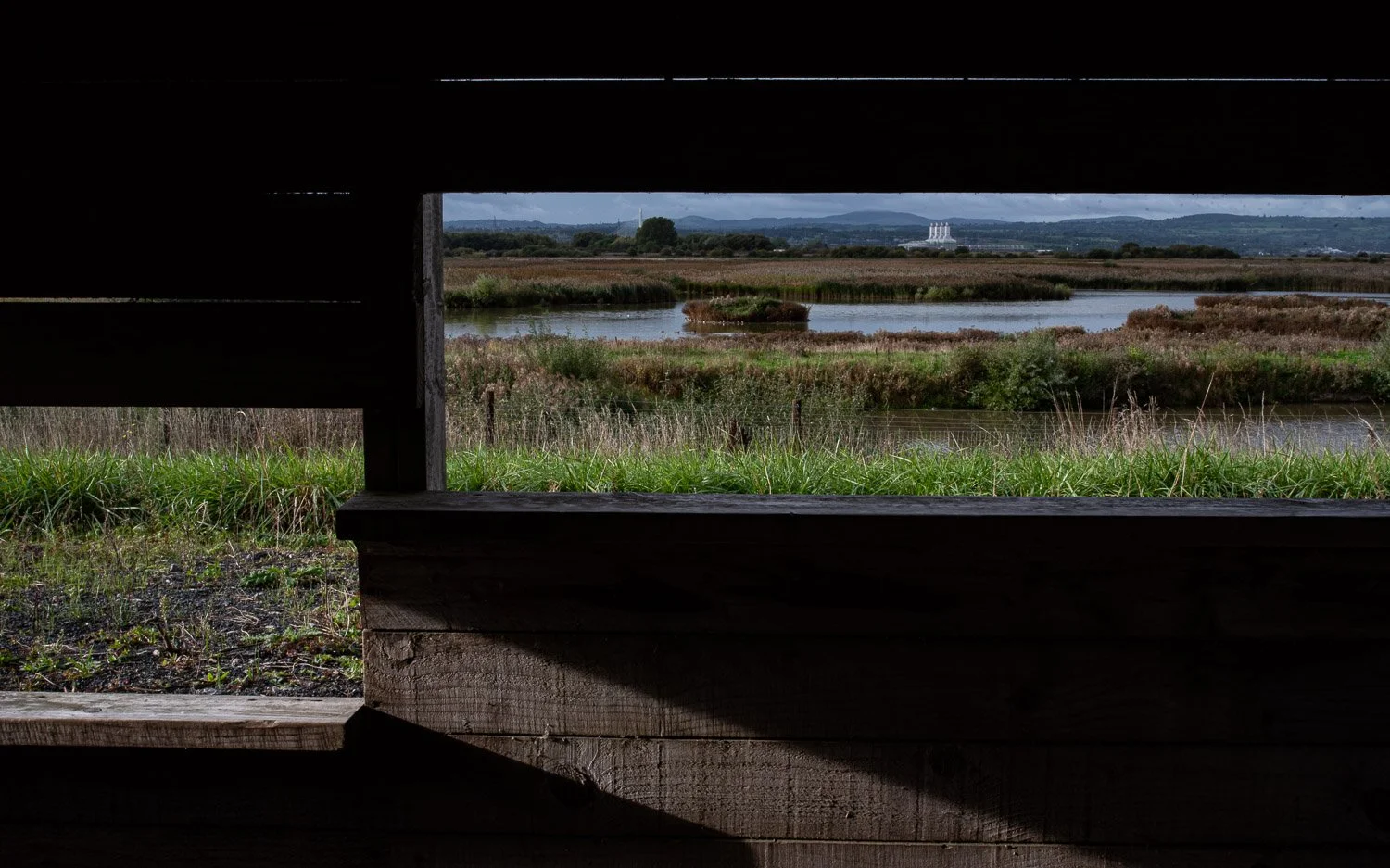
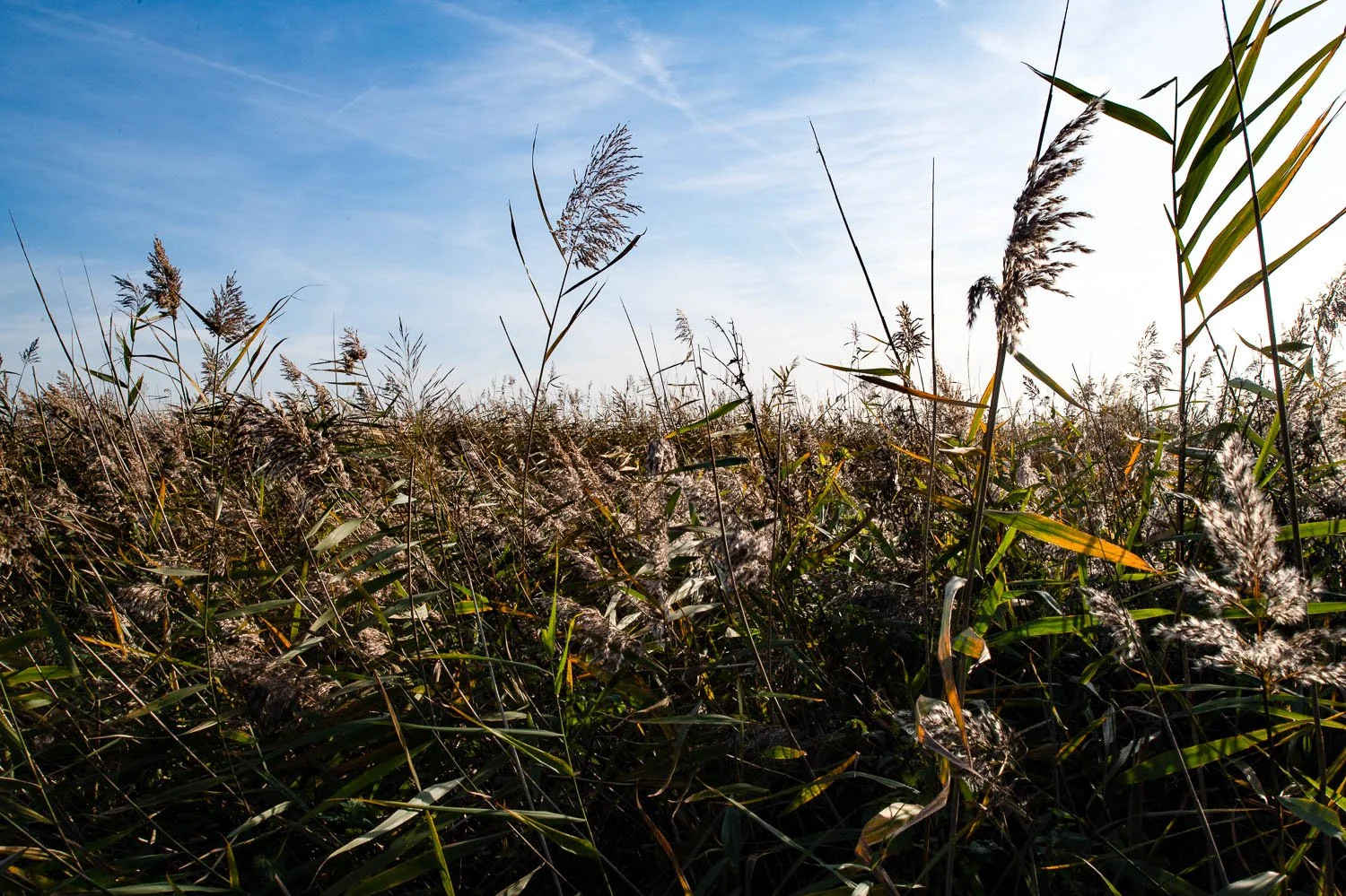
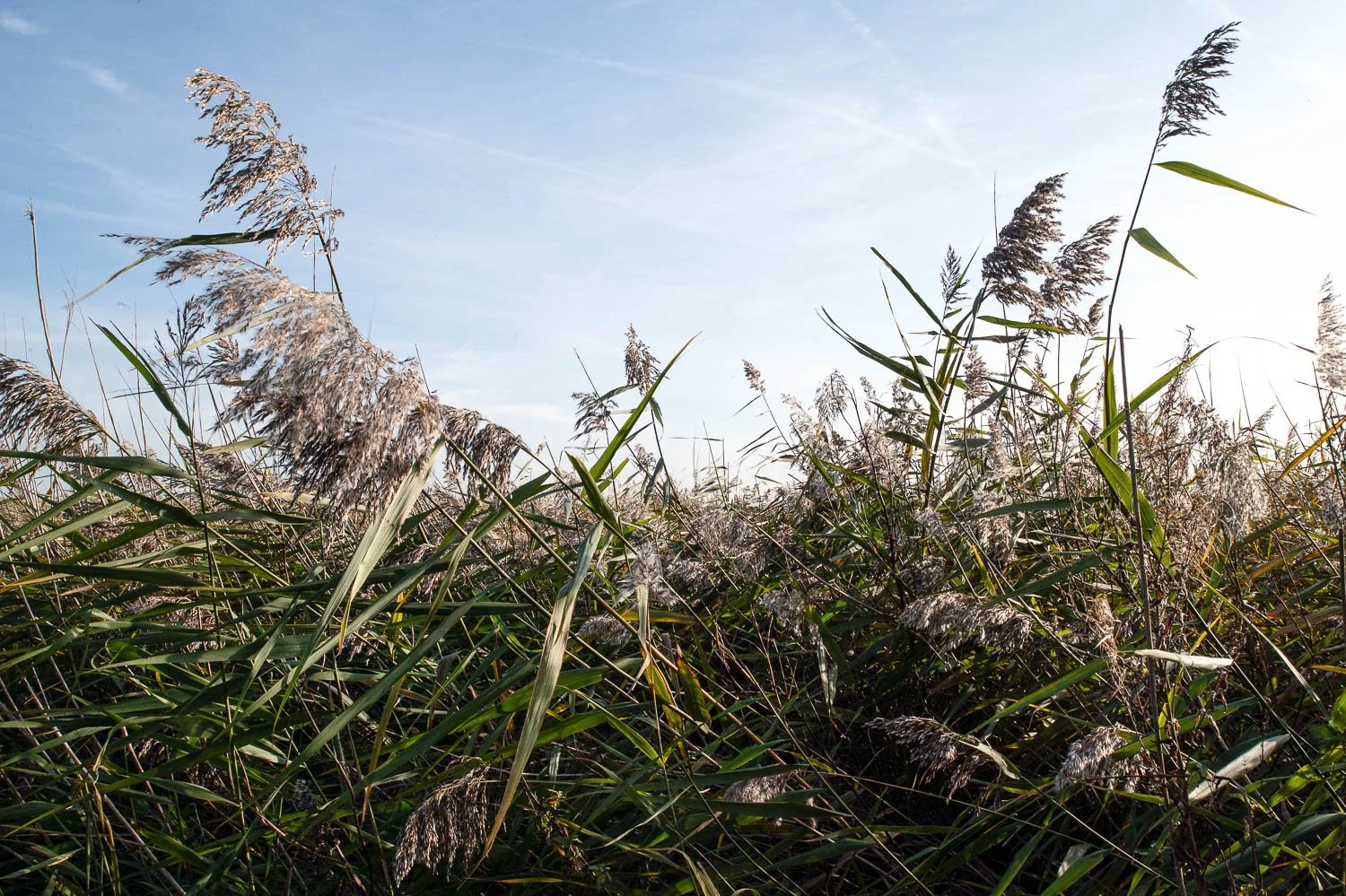
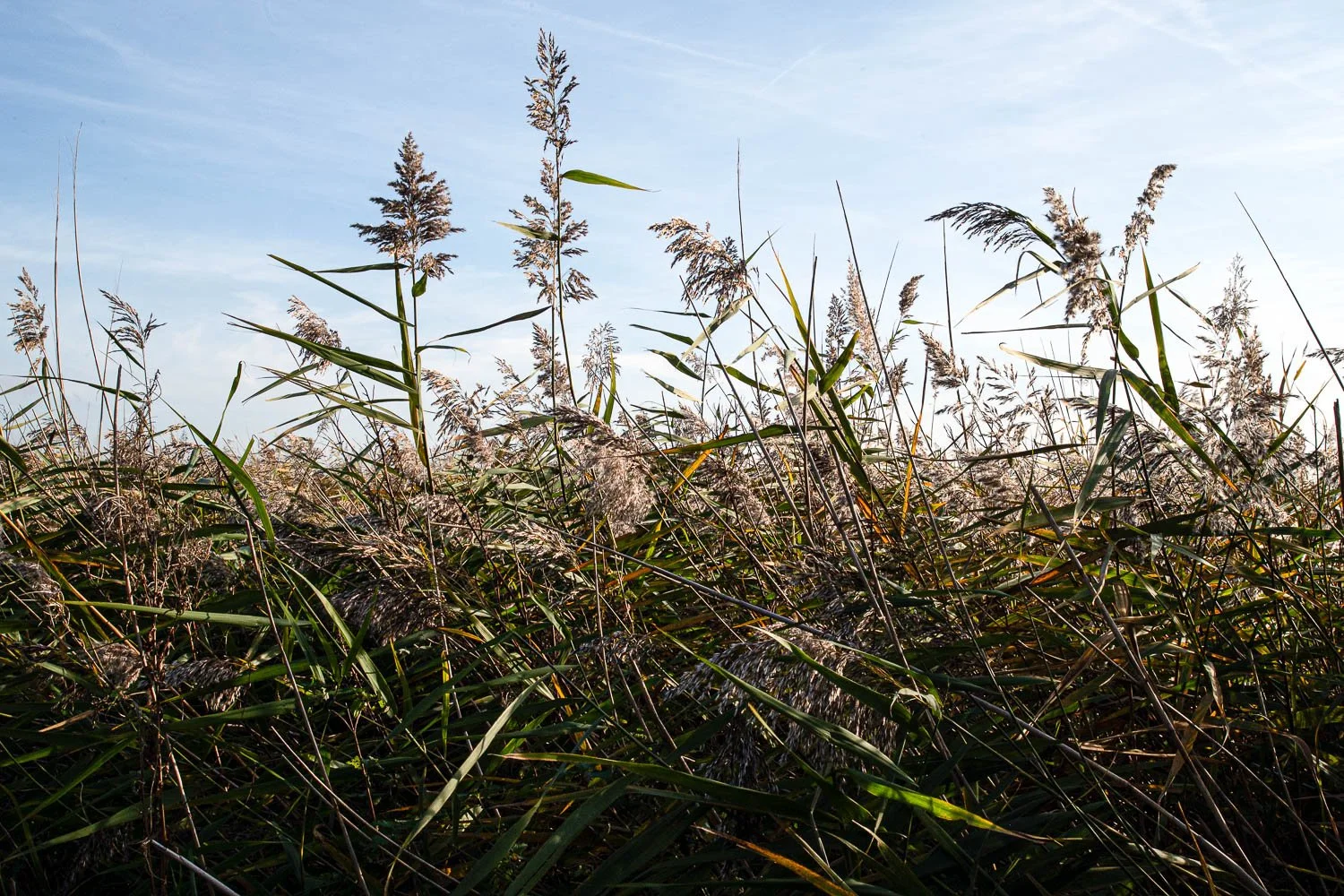
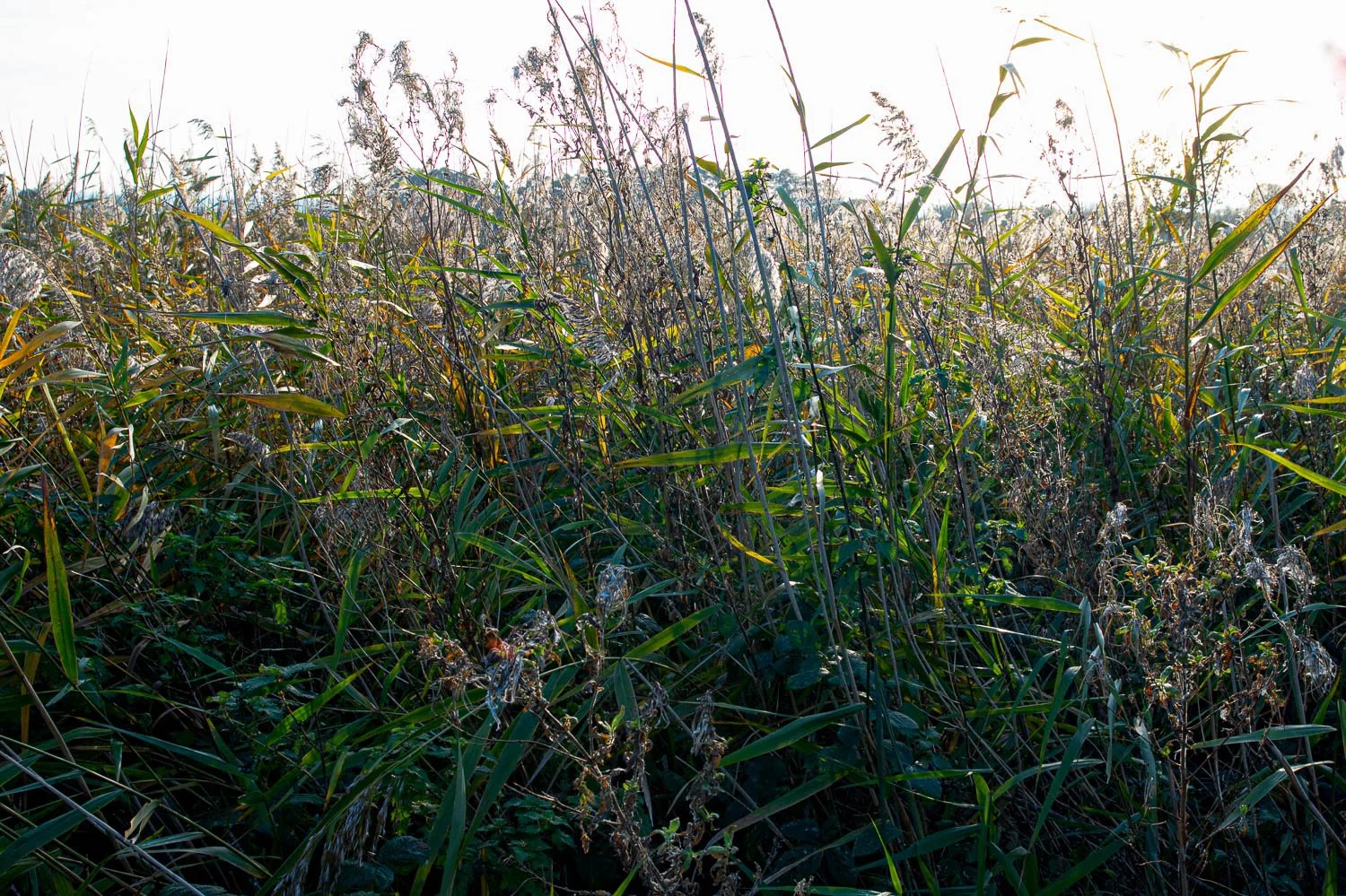
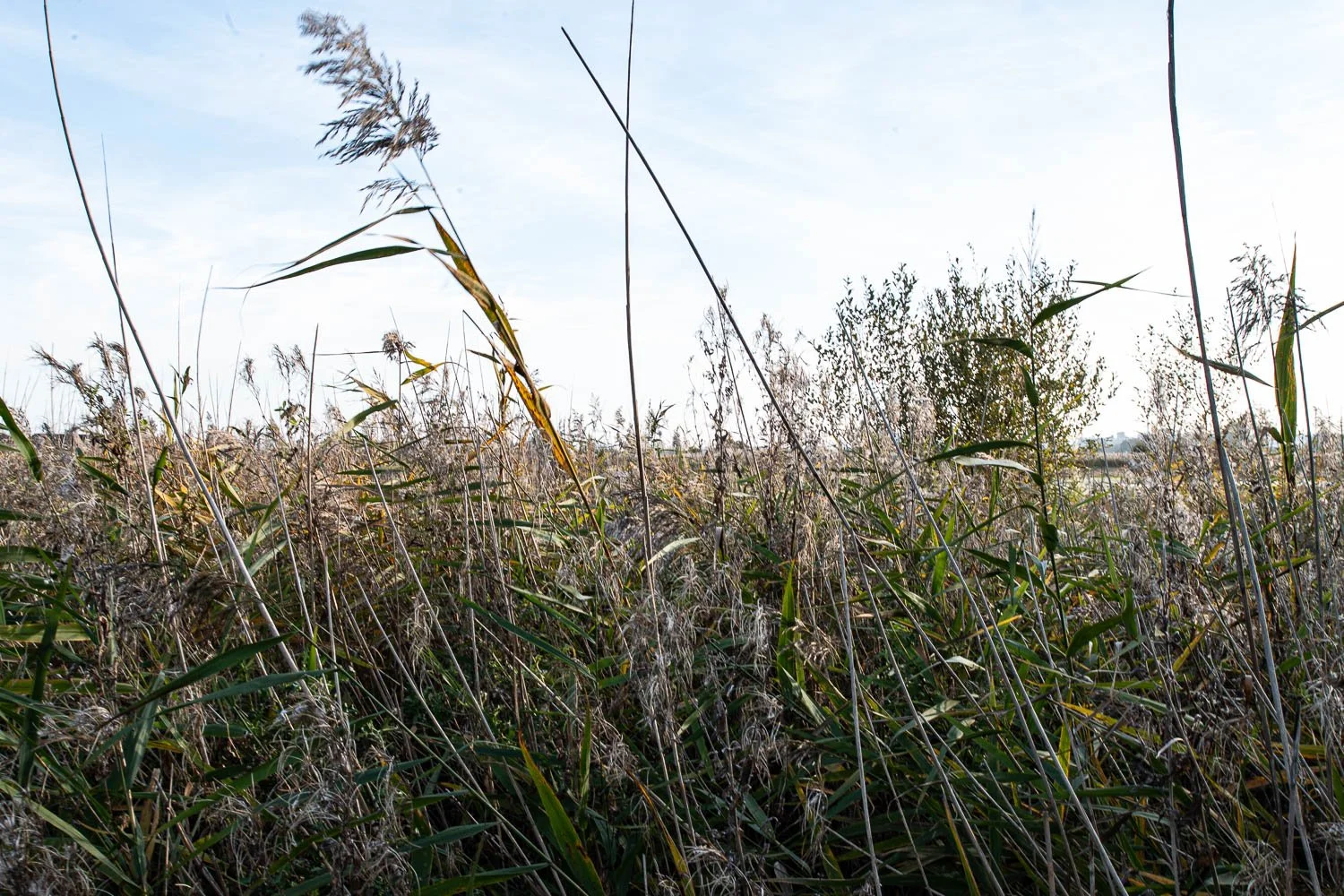
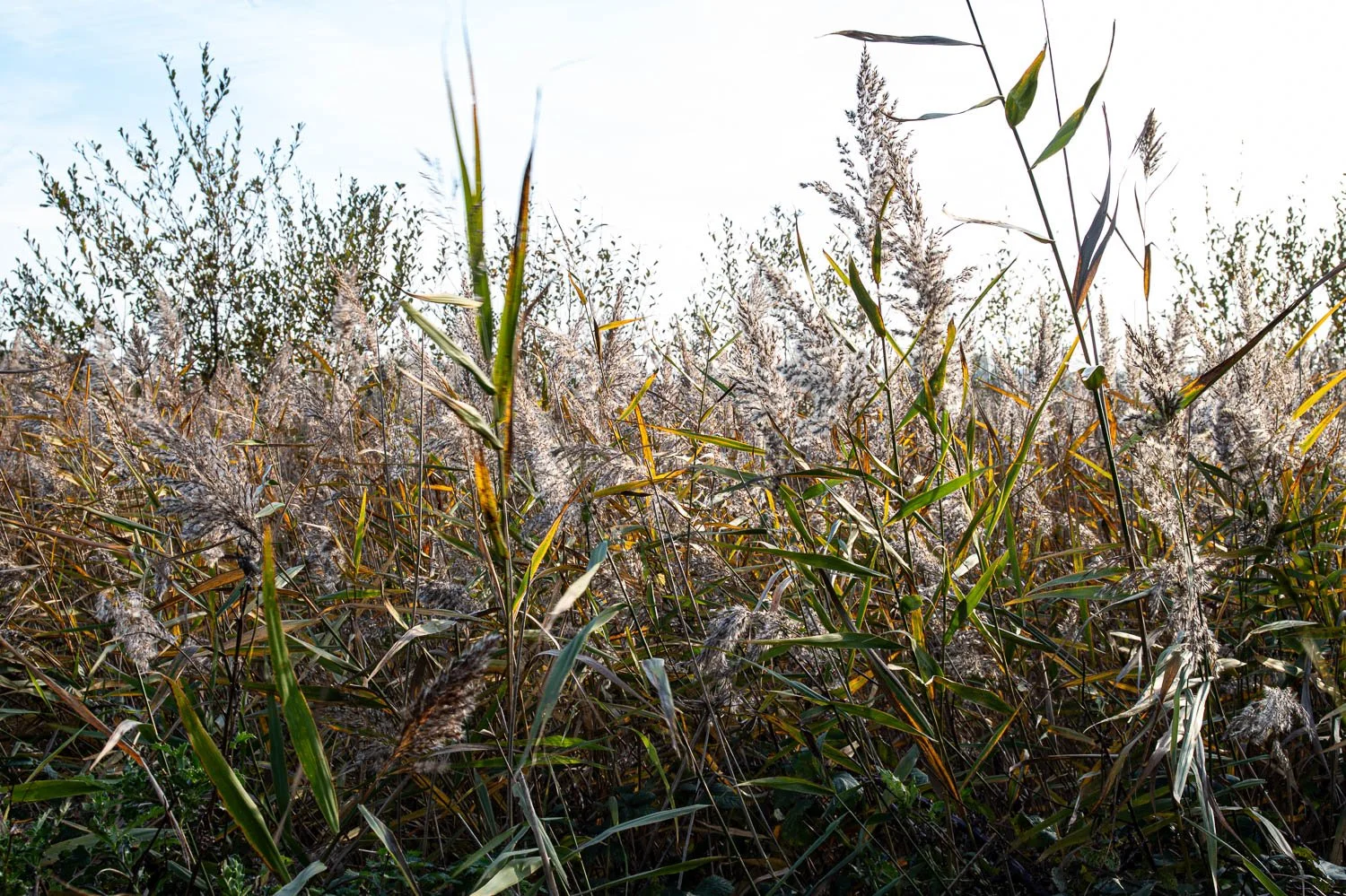
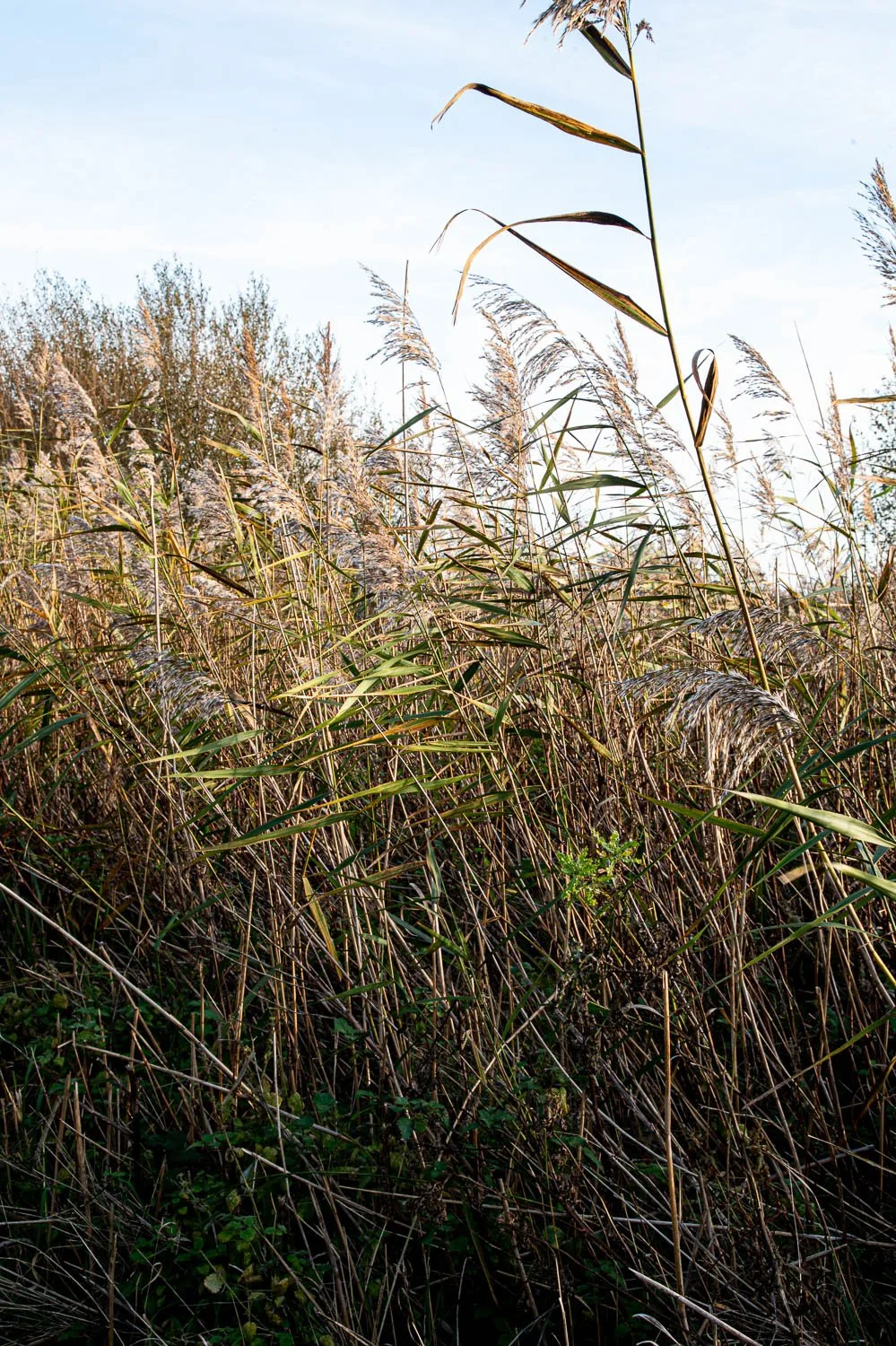
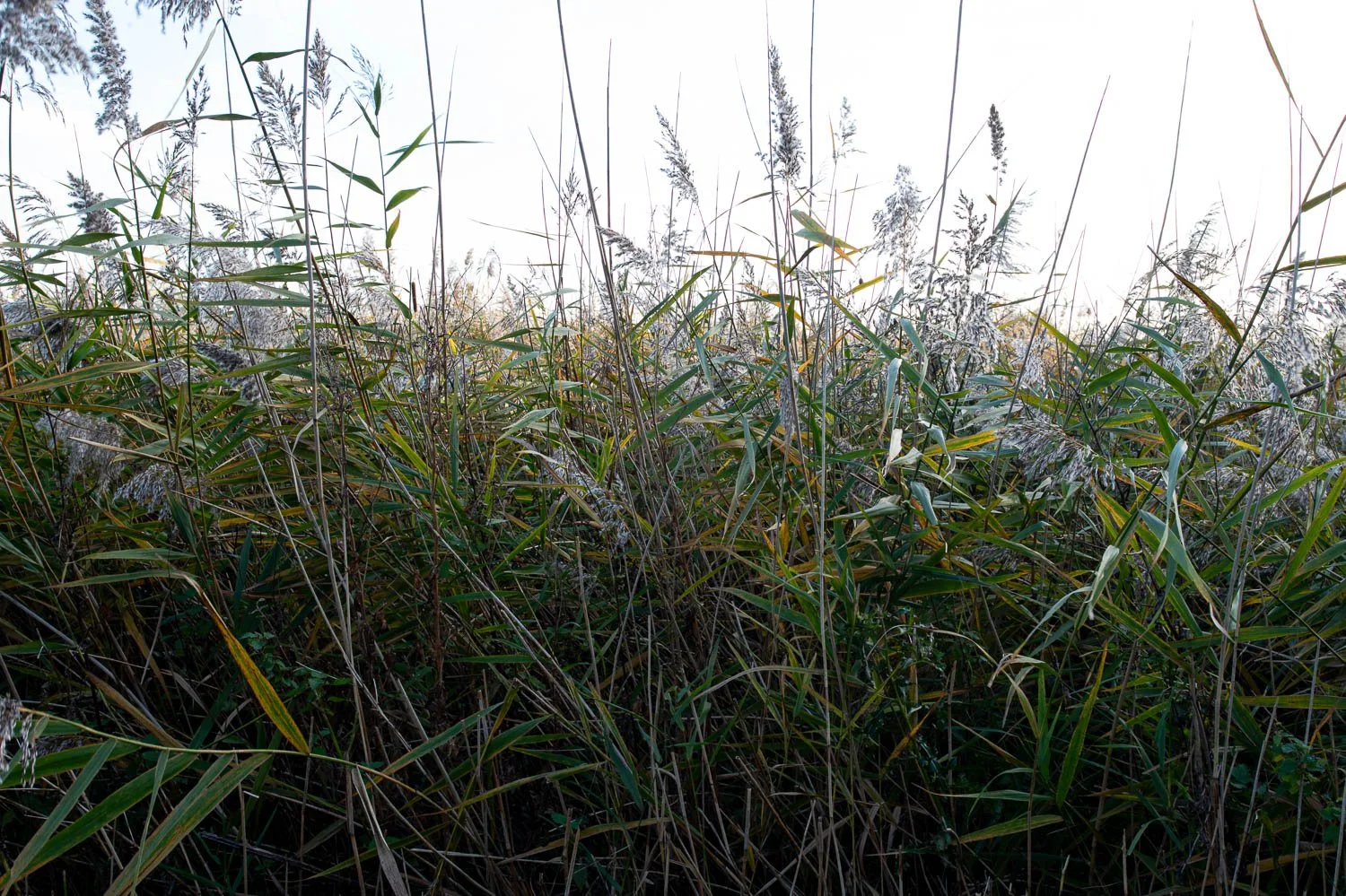
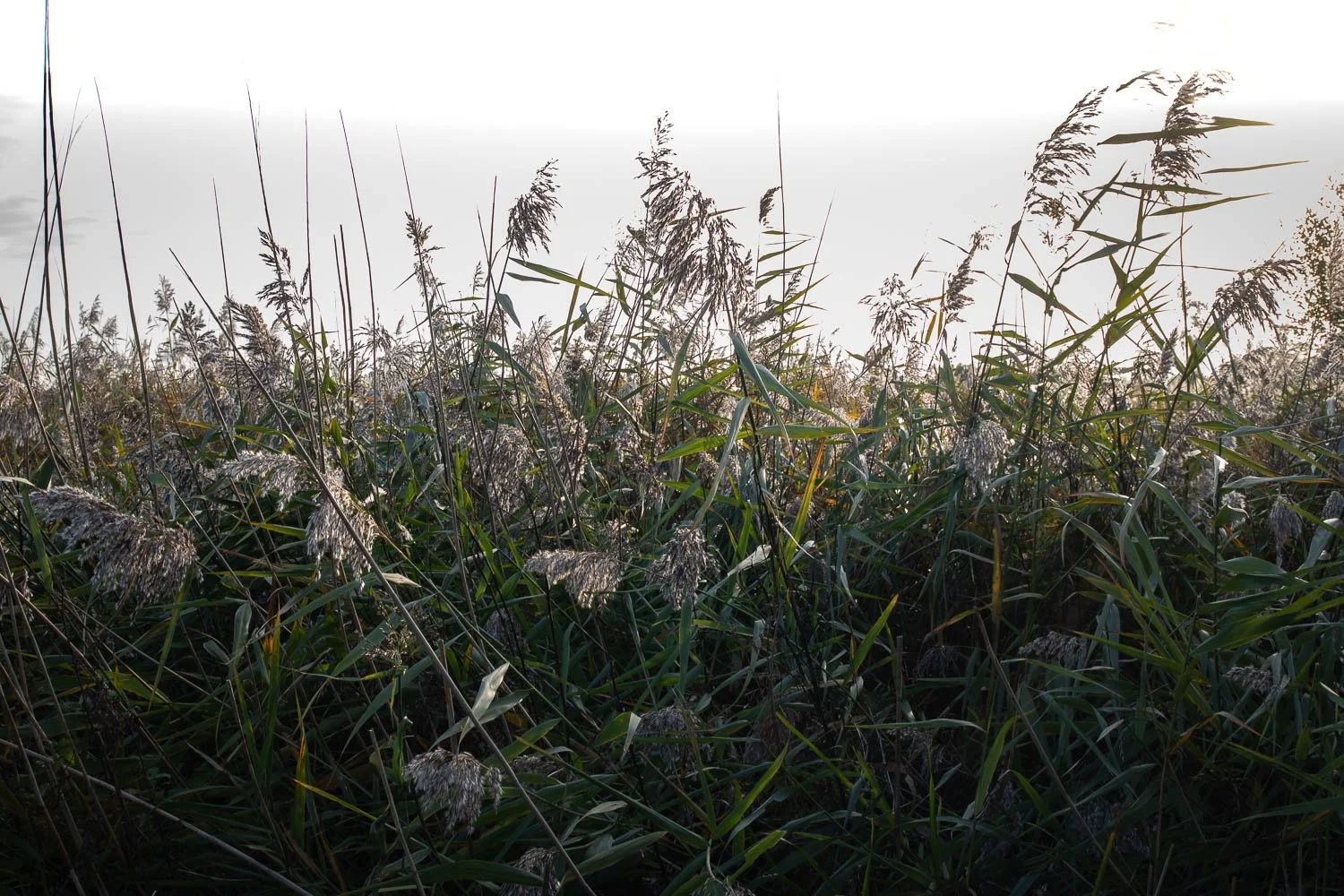
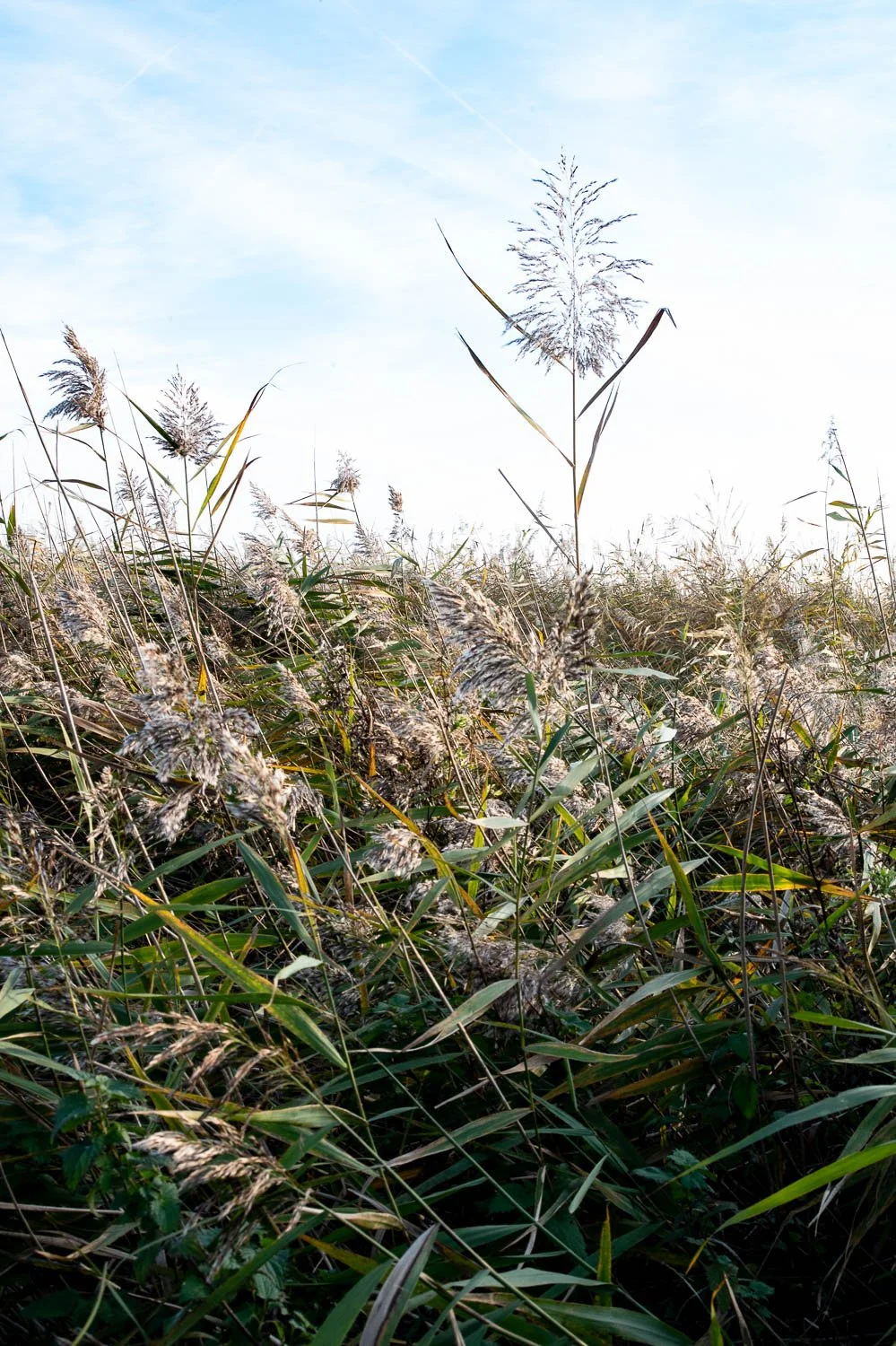
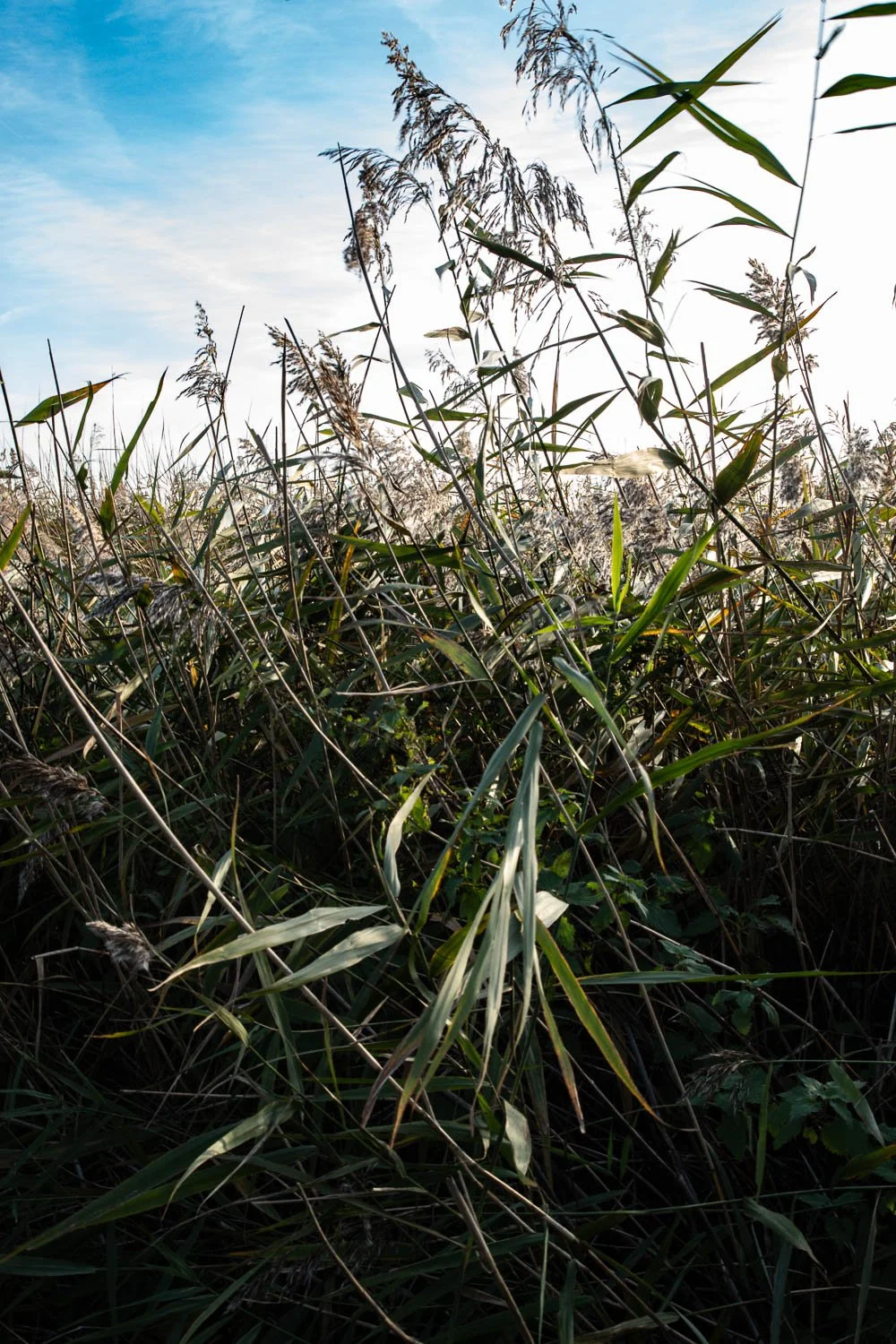
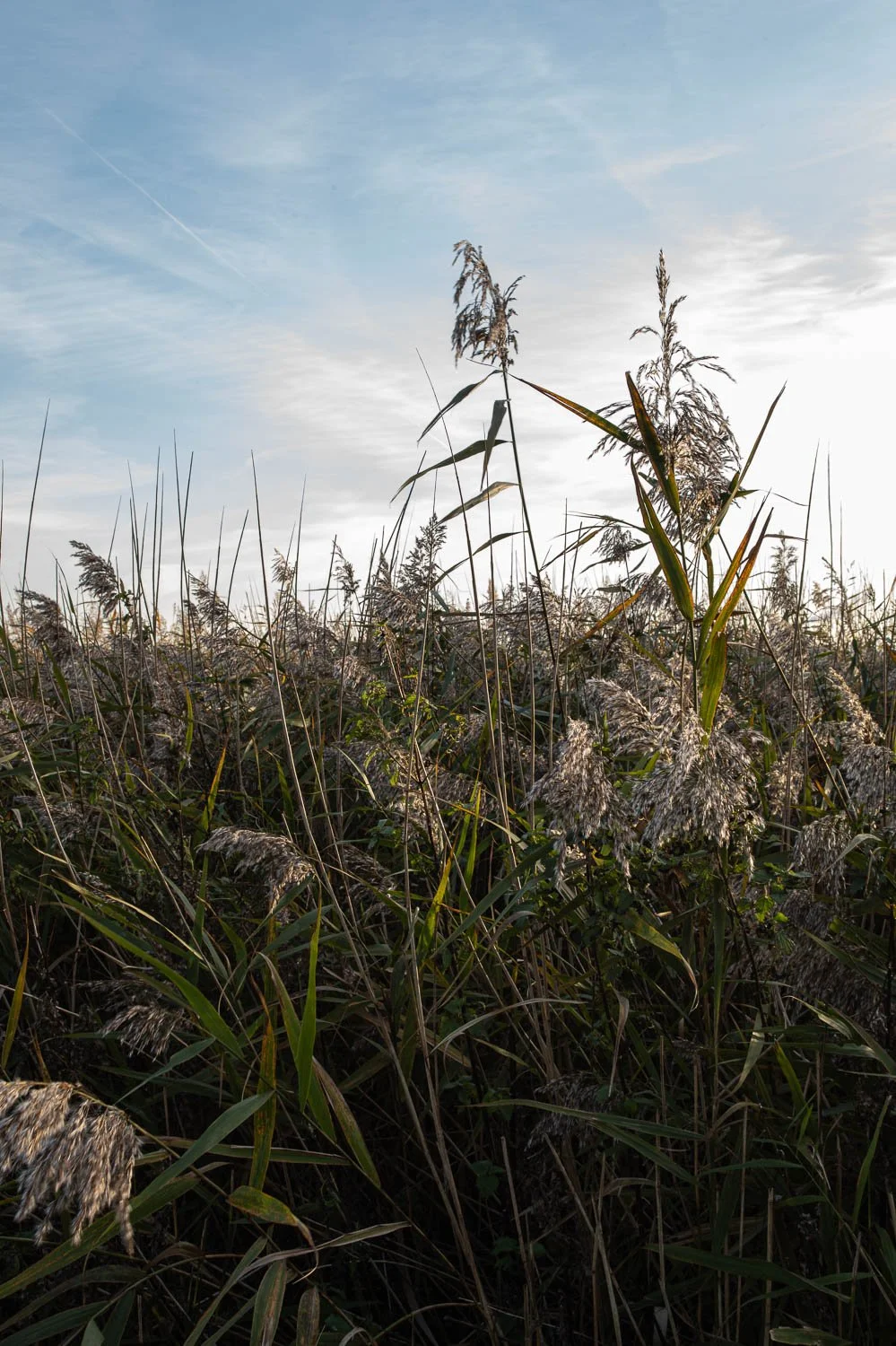
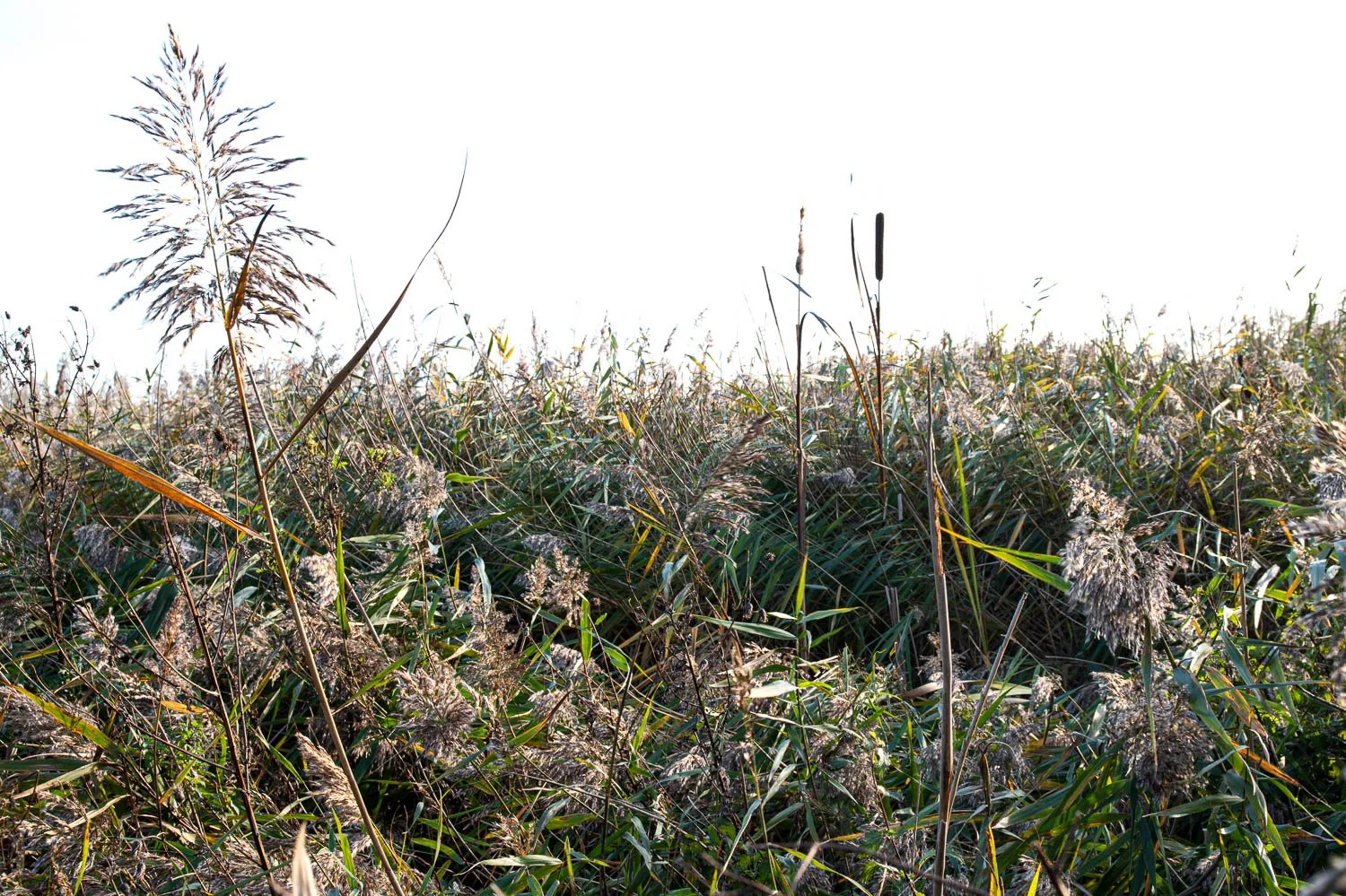
Burton Mere Wetlands, at the gateway to the Dee Estuary reserve, is a mosaic of reedbeds, freshwater wetlands, farmland and woodland. Its grasslands, lagoons and shallow pools support a rich variety of birds, including avocets, egrets, harriers, redshanks, swallows and swifts. In spring, warblers fill the reedbeds, while herons, egrets and kingfishers hunt for food.
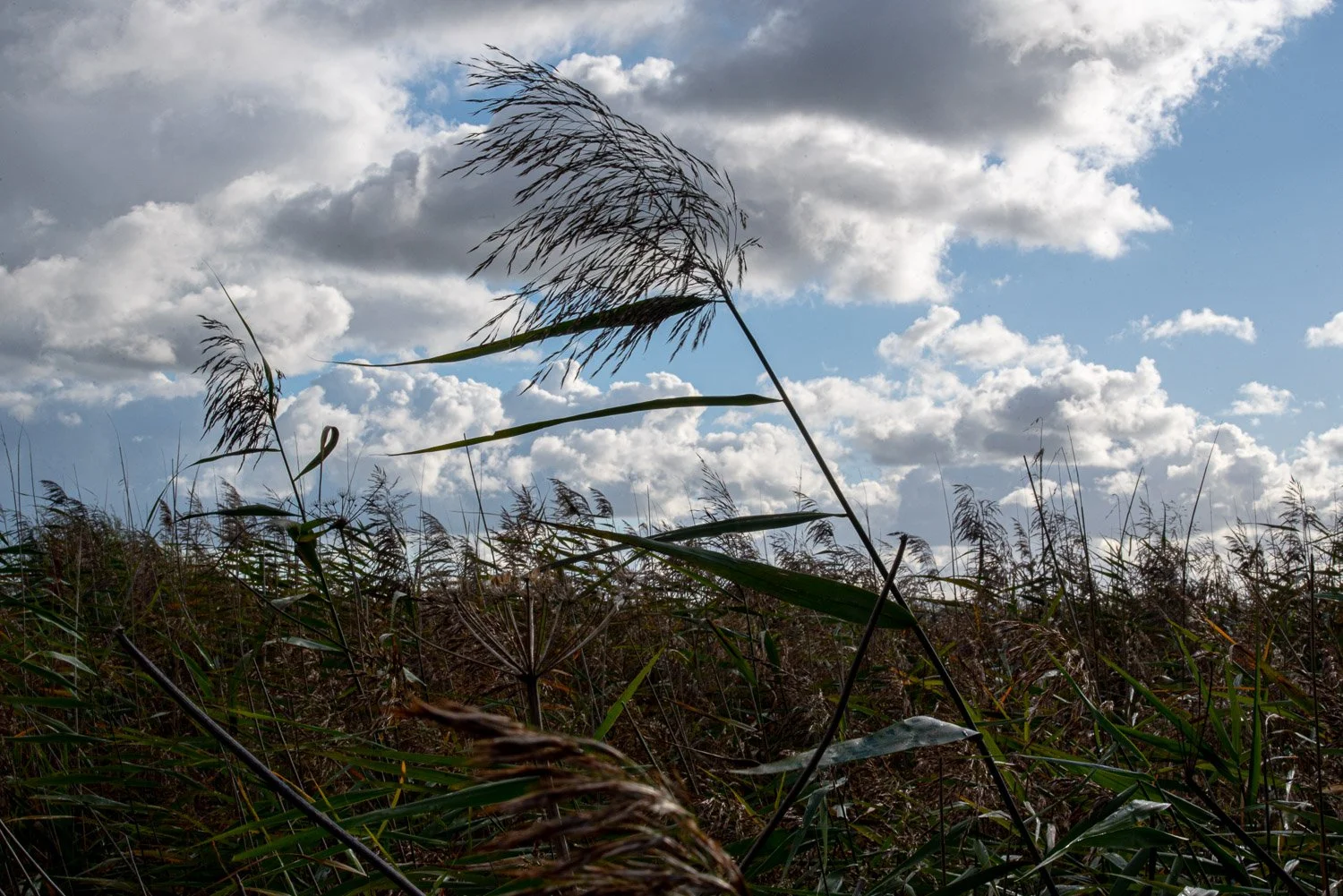
Reedbeds form when reeds colonise open water or wet ground. Common reed grows up to two metres tall and spreads through underground rhizomes, producing fresh shoots that provide food for wildlife such as water voles and insects. Traditionally, reeds were harvested for thatching, baskets, mattresses and other uses. More than 40% of England’s reedbeds have been lost since 1945, and they continue to decline.